
GuidesGuide
Does insurance cover Wegovy or Zepbound? Prior auth basics
How insurance, prior authorization and appeals work for Wegovy and Zepbound, plus the Medicare GLP-1 Bridge and what to check during open enrollment.
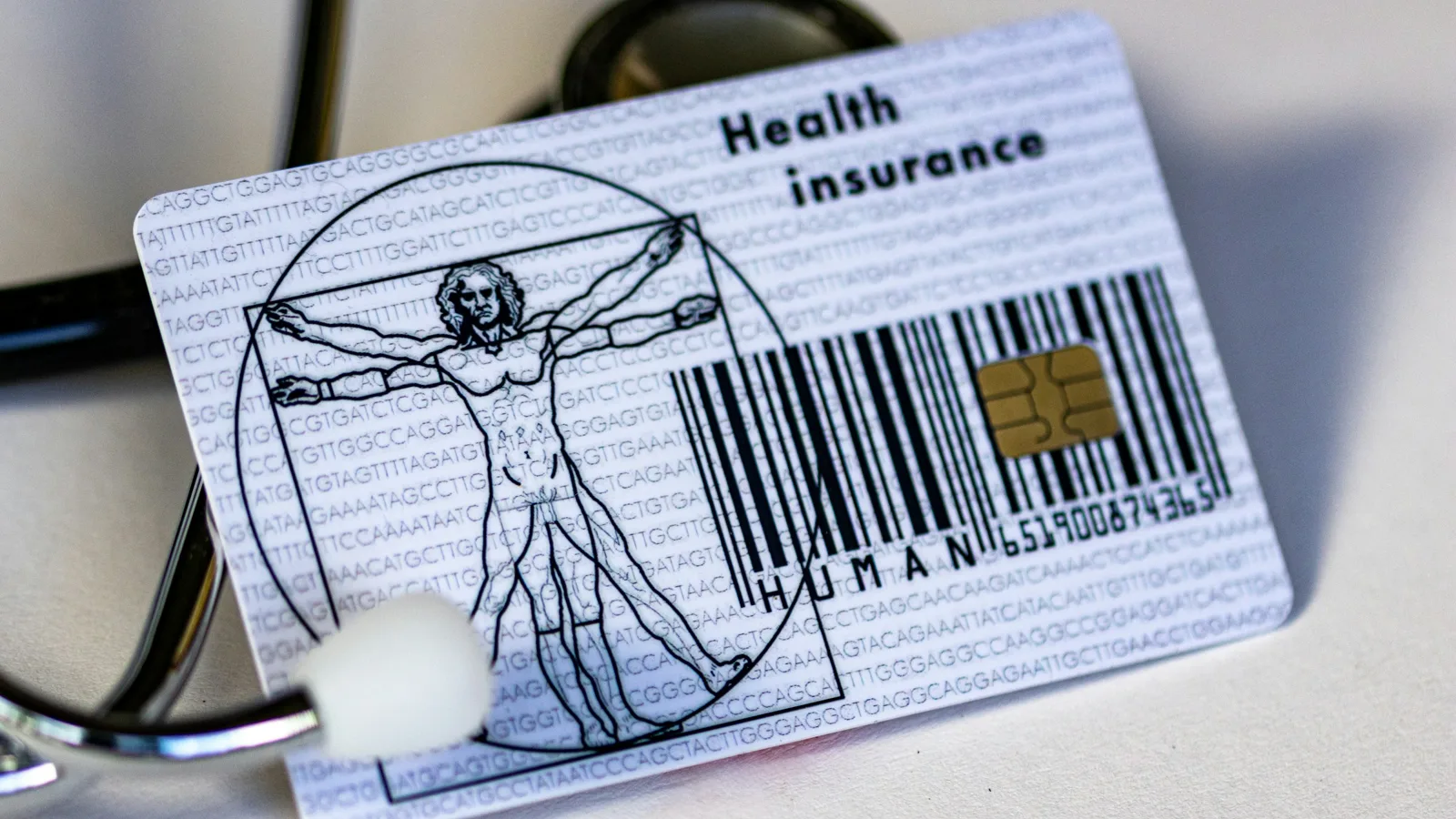
Photo by Marek Studzinski on Unsplash
Updated November 16, 2026.
Medical disclaimer: This is general information, not medical advice or legal advice about your plan. Only your clinician can decide whether a GLP-1 medicine fits you, and only your plan can confirm what it covers.
Some insurance plans cover Wegovy and Zepbound, and many don’t. Whether yours does comes down to your specific plan, the reason the drug is prescribed, and whether your clinician gets a prior authorization approved first.
The timing matters right now. Medicare open enrollment runs through December 7, and many employers are deciding their 2027 drug coverage. Here’s how coverage, prior authorization and appeals work, and what to check before you pick a plan.
The short answer
| Your situation | What usually happens | Where to check |
|---|---|---|
| Commercial (job-based or marketplace) plan that covers the drug | You may need prior authorization. A maker’s savings card can lower the copay, as little as $25 a month for Wegovy with commercial insurance. | Your plan’s drug list (formulary) and the Wegovy cost page |
| Commercial plan that excludes weight-loss drugs | The claim is denied no matter the paperwork, unless the drug is prescribed for another covered use. Cash-pay programs are the usual fallback. | Your plan’s exclusions list or HR benefits guide |
| Medicare Part D | Your plan may cover a GLP-1 for some conditions. If not, the temporary Medicare GLP-1 Bridge may offer certain drugs for $50 a month. | Medicare GLP-1 Bridge fact sheet |
| No drug coverage | Manufacturer self-pay programs sell the brand-name drug at a published cash price. | Our GLP-1 cost and pricing guide |
Does insurance cover Wegovy or Zepbound?
Some plans cover these drugs, and many don’t. It depends on your specific plan, the FDA-approved use on the prescription, and whether prior authorization comes through.
Wegovy is approved for weight management, to lower the risk of heart attack, stroke and cardiovascular death in adults with established heart disease and obesity or overweight, and to treat a form of fatty liver disease called MASH with moderate to advanced scarring (Wegovy label). Zepbound is approved for long-term weight reduction and for moderate to severe obstructive sleep apnea in adults with obesity (Zepbound label).
Medicare Part D is prohibited by law from covering drugs used specifically for weight loss (KFF). Other FDA-approved uses can be covered under the regular Part D benefit, according to CMS. That includes Wegovy to lower the risk of major heart events in adults with established heart disease and obesity or overweight, and Zepbound for moderate to severe sleep apnea in adults with obesity. Type 2 diabetes and MASH with moderate to advanced liver scarring are also eligible Part D uses (CMS). Eligible is not the same as listed on your plan’s formulary, though, and a November 2026 study found few Part D plans actually listed Wegovy or Zepbound. Our Medicare and Medicaid coverage guide covers that research and the temporary $50 Medicare GLP-1 Bridge, a separate path for some people taking the drug for weight management.
On commercial insurance, coverage varies by plan and employer. A plan may cover one approved use and exclude another, and many require prior authorization before they will pay (HealthCare.gov). The sections below explain how to check your plan and what to do if a request is denied.
If the question is whether insurance will cover Zepbound for sleep apnea, the starting point is that sleep apnea is an FDA-approved use of Zepbound, not of Wegovy. Plans still set their own rules, and many want a prior authorization. Zepbound is the one with that labeled use today. Foundayo, Lilly’s oral GLP-1, has trial results in sleep apnea but is not approved for it yet; see Foundayo’s ATTAIN-OSA results. For how Zepbound compares with Ozempic, a diabetes drug with a different label and coverage path, see Ozempic vs Zepbound.
Why coverage depends on the diagnosis
Insurers often cover a drug for one approved use and not another. That’s why the same medicine can be covered for one person and denied for the next.
Each drug’s FDA label lists the uses it’s approved for. Wegovy is approved to reduce excess body weight and keep it off in people with obesity, or overweight with at least one weight-related condition. The Wegovy injection is also approved to lower the risk of heart attack, stroke and cardiovascular death in adults with established heart disease and obesity or overweight, and to treat a form of fatty liver disease called MASH with moderate to advanced scarring (Wegovy label).
Zepbound is approved for long-term weight reduction and to treat moderate to severe obstructive sleep apnea in adults with obesity (Zepbound label).
A plan that excludes “weight loss” drugs might still cover one of these other uses. Ask your plan how it treats each one, and let your clinician decide what applies to you. Ozempic and Mounjaro, the diabetes versions, are labeled differently again; our Ozempic vs Wegovy and Mounjaro vs Zepbound guides explain the split.
What prior authorization is
Prior authorization is approval from your health plan that may be required before you fill a prescription for it to be covered (HealthCare.gov). For GLP-1 drugs, plans commonly want proof that the prescription matches a covered use, and they set their own criteria.
Your clinician’s office usually submits the request, not you. You can help by asking three things up front:
- Is the drug on my plan’s formulary, and for which uses?
- What does the plan need to see for approval? Plans set their own rules, so ask for the written criteria rather than guessing.
- How long does the approval last? Some approvals need renewing, and the renewal can ask for new information.
Some pharmacies now help with this step. Walgreens said on October 27 that its weight management service can check commercial coverage and complete prior authorizations if needed, including support for Medicare GLP-1 Bridge patients (Walgreens). We haven’t tested that service; it’s one example of help that exists.
How to check your own plan
Novo Nordisk runs a coverage lookup tool on its Wegovy site and suggests calling your prescription plan directly (Wegovy cost page). When you call, have your member ID ready and write down the date, the representative’s name and what they said.
If you get coverage through work and the drug isn’t covered, Novo’s page says your clinician can ask your HR department to add it, and offers a sample letter (Wegovy cost page). Whether your employer says yes is up to them.

If prior authorization is denied
A denial isn’t always the end. HealthCare.gov describes the federal appeal steps for private health plans (internal appeals, external review):
- The denial comes in writing. For a prior authorization request, your insurer must tell you within 15 days and explain why. Urgent cases get 72 hours.
- You can file an internal appeal. You have 180 days from the denial notice. A letter from your clinician can be part of it, and your state’s Consumer Assistance Program can file for you.
- The insurer has deadlines too. An internal appeal for a service you haven’t received yet must be decided within 30 days.
- Then an outside review. If the internal appeal fails, you can request an external review within 4 months. An independent reviewer decides standard cases within 45 days, and urgent ones within 72 hours.
Read the denial letter closely. “Not medically necessary” or “missing information” can sometimes be fixed with better paperwork. “Plan exclusion” usually means the plan doesn’t cover that use at all, and an appeal is less likely to change that. Medicare drug plans have their own appeal process, so Medicare enrollees should follow the steps in their plan’s notice.
Medicare and the $50 GLP-1 Bridge
Medicare started a temporary program on July 1, 2026, called the Medicare GLP-1 Bridge. Under it, eligible people pay $50 a month for Foundayo tablets, Wegovy (injection or tablet), or the Zepbound KwikPen. The single-dose Zepbound pen and Zepbound vials aren’t included (Medicare fact sheet).
Per that fact sheet, you must meet all four of these:
- You have Medicare Part D drug coverage, through a standalone drug plan or a Medicare health plan with drug coverage. Some special plan types don’t qualify.
- Your drug plan doesn’t already cover a GLP-1 for you. If it does, you keep getting it through your plan.
- You don’t have type 2 diabetes, moderate to severe sleep apnea, or fatty liver disease. People with those conditions are told to contact their drug plan, which may already cover a GLP-1.
- You’re 18 or older and meet a BMI rule: a BMI of 35 or higher; or 30 or higher with certain heart failure, hard-to-control high blood pressure, or chronic kidney disease stage 3a or above; or 27 or higher with prediabetes or a past heart attack, stroke or blocked arteries in the legs or arms.
For the full picture, including a Nov. 6 study on how rarely Part D plans cover Wegovy and Zepbound, and how Medicaid differs by state, see our Medicare and Medicaid GLP-1 coverage guide.
Your doctor submits a form to get Medicare’s approval, and Medicare sends you a letter. The $50 doesn’t count toward your drug plan’s deductible or yearly out-of-pocket limit. Refills don’t need a new approval if you stay on the same drug, even when the dose changes (Medicare fact sheet). Novo says the Wegovy Bridge offer runs through December 31, 2027 (Wegovy cost page).
Why open enrollment matters: Medicare’s open enrollment runs October 15 to December 7, and changes start January 1 (Medicare.gov). Since the Bridge requires Part D coverage, anyone without a drug plan should look at that before the deadline. For questions, Medicare’s number is 1-800-633-4227.
One more rule: manufacturer savings cards generally exclude government insurance. Novo’s Wegovy savings offer excludes government beneficiaries (Wegovy cost page), and Lilly’s Zepbound savings card is for commercial insurance only, excluding Medicaid, Medicare (including Part D and Medicare Advantage), Medigap, DoD, VA, TRICARE and state programs (Zepbound savings). Lilly also says Medicare Part D patients may get Zepbound through the Bridge for no more than $50 a month. Our savings cards guide covers who qualifies for each card.
Employer coverage is shrinking
If your coverage comes through work, read your 2027 plan documents carefully. WTW’s 2026 survey of 471 U.S. employers found 53% cover GLP-1s for weight loss, down from 57% a year earlier, the first drop in three years. Of those still covering them, 30% are considering dropping coverage, and 91% of employers that dropped or are weighing it named cost as a reason (WTW survey release).
Some employers are trying other routes, like paying part of the cost through direct-to-employer programs outside the regular drug benefit. Ask HR whether anything like that is offered.
If your plan says no
You still have legitimate options:
- Manufacturer self-pay. Novo Nordisk and Lilly sell Wegovy and Zepbound directly at published cash prices. Our cost and pricing guide has the numbers, and how Wegovy and Zepbound self-pay works explains the refill rules and what each maker requires.
- A licensed telehealth program that prescribes FDA-approved brand-name drugs. See our telehealth rankings, and read what telehealth prices leave out before you pay.
- A different covered drug. Your clinician may know of an option your plan does cover. Our Wegovy vs Zepbound comparison shows how the two differ.
What we don’t recommend is turning to cheap compounded or “research” versions because insurance said no. The FDA has warned about unapproved GLP-1 products sold for weight loss, including dosing errors and counterfeits (FDA). Our guide to filling a GLP-1 prescription safely shows how to check a pharmacy.
Keep reading
- GLP-1 cost and pricing guide
- How Wegovy and Zepbound self-pay works
- GLP-1 savings cards: who qualifies and who doesn’t
- Best FDA-approved GLP-1 drugs ranked
- Zepbound vs Wegovy: labels, evidence, and cost
- Ozempic vs Zepbound: semaglutide vs tirzepatide for diabetes and weight
- Does Medicare cover Wegovy? Medicare and Medicaid GLP-1 coverage
- Foundayo reduced sleep apnea episodes in a year-long trial
- How to fill a GLP-1 prescription safely
- On glp1userguide.com: What GLP-1 medications are, your first 30 days on a GLP-1, and the Wegovy dosing schedule